




.png)

Key Takeaways
- Early signs help prevent full system failure
- Temperature fluctuations are never normal
- High-altitude conditions increase system stress
- Regular inspections reduce emergency repairs
Why Early Detection Matters
A failing walk-in cooler rarely stops working without warning. In most cases, small performance issues appear days or weeks before a total breakdown. Ignoring these signs can lead to spoiled inventory, health code violations, and unexpected downtime. For businesses in Denver and Colorado Springs, high elevation puts additional strain on compressors and refrigeration cycles, making early detection even more critical.
Common Warning Signs to Watch
Inconsistent Temperatures
If your walk-in cooler struggles to maintain a stable temperature, this often indicates refrigerant leaks, failing sensors, or compressor issues. Even minor fluctuations can compromise food safety.
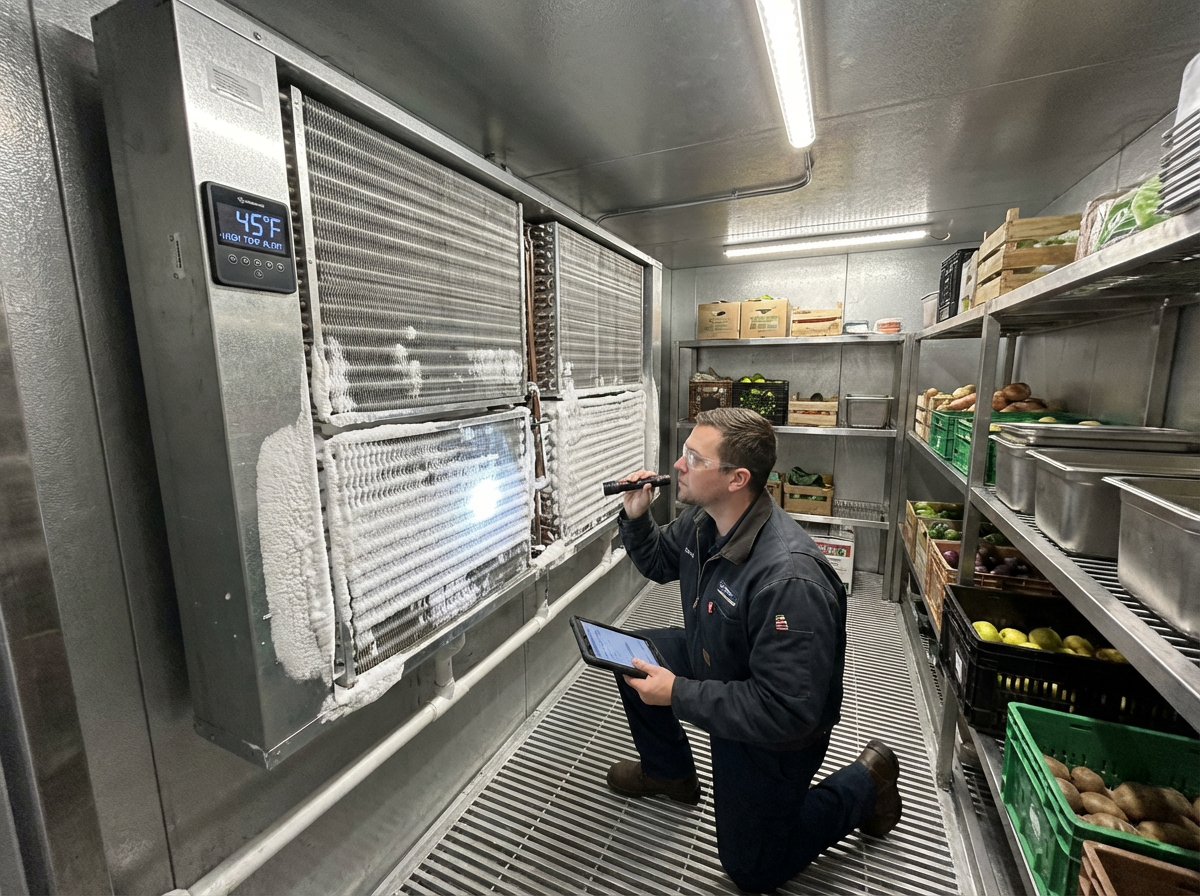
Excessive Frost or Ice Buildup
Ice accumulation on evaporator coils or walls usually points to airflow problems, defrost system failure, or door seal issues. In dry, high-altitude climates, improper humidity control can worsen this problem.
Unusual Noises
Grinding, rattling, or loud humming sounds are not normal. These noises often signal worn fan motors, failing bearings, or compressor stress.
Rising Energy Bills
When a walk-in cooler works harder than necessary, energy consumption spikes. Older systems or poorly maintained units in Colorado's thinner air often show this symptom first.
Condensation and Water Leaks
Pooling water around your cooler may indicate clogged drain lines or insulation problems. Left unaddressed, moisture can damage flooring and create safety hazards.
Why High Altitude Changes the Equation
At higher elevations, air density is lower, which reduces heat transfer efficiency. Compressors must run longer and harder to achieve the same cooling effect as at sea level. This accelerates wear and increases the importance of preventive maintenance for businesses across the Front Range.
When to Call a Professional
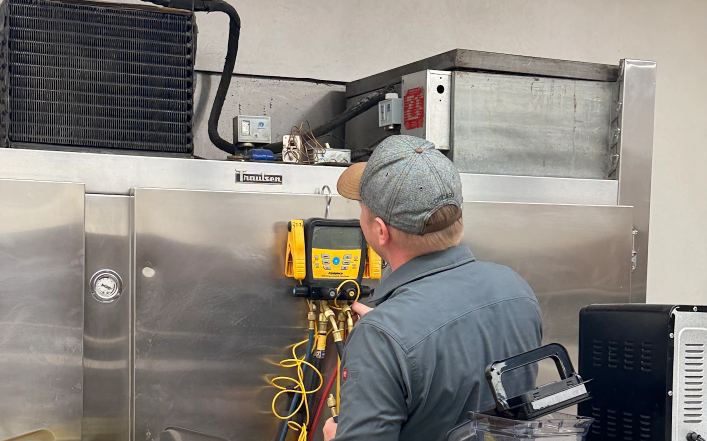
If you notice any of these signs, immediate professional inspection is recommended. Emergency repairs are always more expensive than scheduled service, especially for mission-critical equipment like walk-in coolers.

Walk-In Cooler Health Checklist
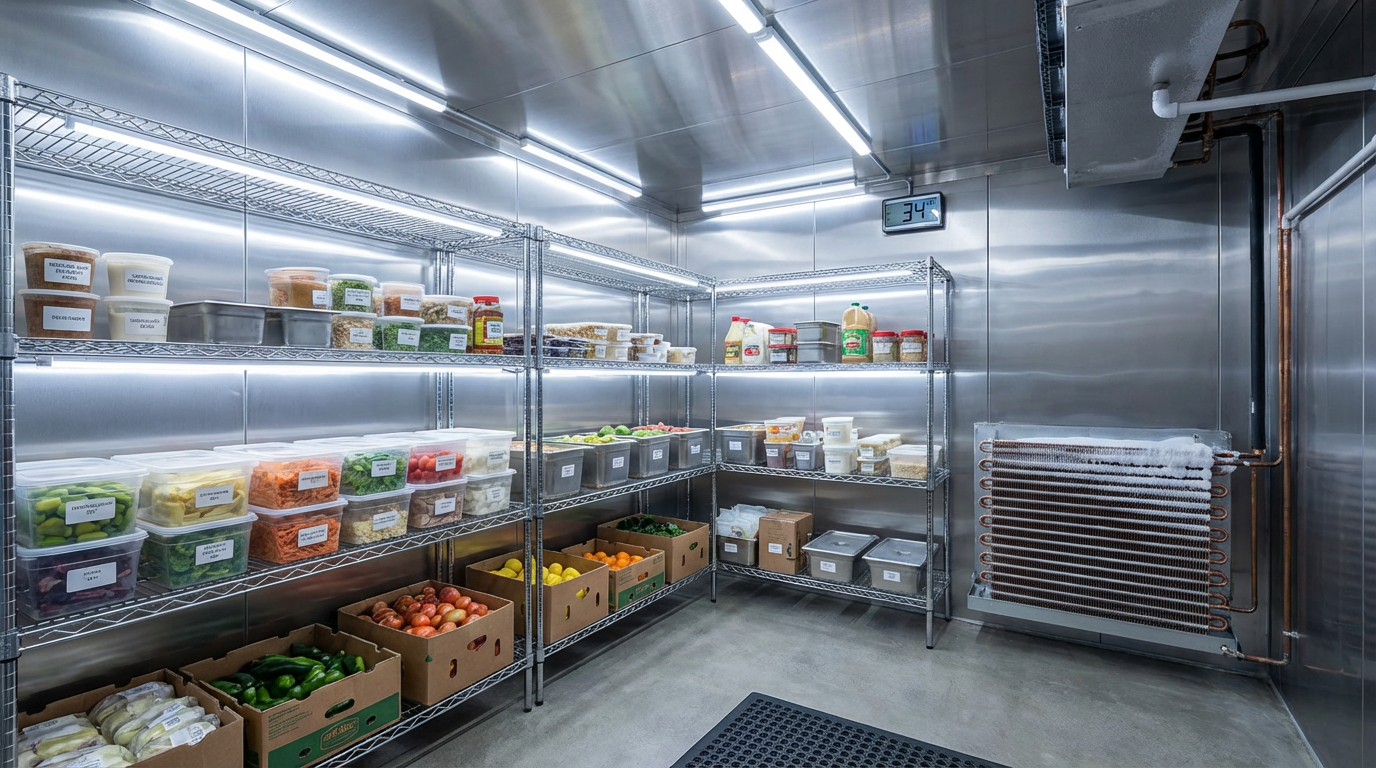
- Temperature holds steady within set range
- No unusual noises during operation
- Doors seal tightly with no visible gaps
- No frost or ice buildup on coils
- No water leaks or condensation
Prevent Costly Breakdowns
Explore Maintenance PlansCommon Problems
Refrigerant Leaks
Cause inconsistent cooling and long compressor run times.
Compressor Failure
Often accelerated by altitude-related stress and poor maintenance.
Important: Continuing to operate a walk-in cooler with temperature issues can violate health regulations and result in forced shutdowns.
Need Immediate Help?
Cold Pros provides 24/7 emergency walk-in cooler repair in Denver, Colorado Springs, and Las Vegas.
Contact Cold Pros Now.avif)


.png)

.png)